
Healthy Meat: Yes or No?
What’s the beef with red meat? This question can be answered in two nutritional words: fat and cholesterol. Recent nutritional guidelines have recommended eating 18 ounces or less of red meat per week. Listed are the top health concerns about red meat, tips on choosing healthier meat options, and getting more overall balance in your diet.
Too Much Fat
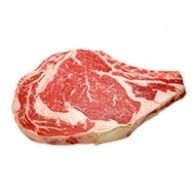
No matter how you slice it, red meat is high in fat. Unlike milk, in which you can separate out part or all of the fat, you can never get rid of all the fat in red meat, no matter how well you trim it. Even the lean parts are laced with fat. Extra lean select-grade beef contains around seven percent fat.
Wrong Fat
Not only is there too much fat, it’s the wrong kind. Nearly half the fat in red meat is the artery-clogging, saturated type. And, of course, meat is also high in cholesterol. Beef fat is more saturated than poultry fat because the bacteria in the ruminant stomach of cattle hydrogenate, or saturate, the fats in the plants that cows eat. It’s like having a fat factory inside the food source.
Fat without Fiber
Unlike meat, plant foods that are low in fat and high in fiber tend to pass through the intestines rapidly, causing less upset and fewer problems, such as gastroesophageal reflux (GERD). Meat has a double fault. It’s high in fat and contains no fiber, so it takes longer to empty from the stomach and pass through the intestines.
Problems with Protein
Not only are the fats in meat unhealthy, meat proteins have also recently come under fire. Recent evidence suggests that animal proteins increase blood cholesterol levels, while plant proteins decrease them. Meats contain high levels of the amino acid L-lysine, which increases insulin production, prompting the liver to release fat and cholesterol into the bloodstream. If L-lysine is experimentally added to animal diets, blood cholesterol levels increase by over fifty percent and the animals get plump.
Try to get more protein from legumes, plant proteins and eggs. Beans in many varieties, lentils, chick peas, nuts and eggs are great protein alternatives.
Other Health Concerns About Meat
While there is experimental evidence to implicate the meat fats and proteins in meat with disease, the effects of muscle-building hormones and infection-killing antibiotics fed to livestock are harder to pin down. These substances appear in the meat at the supermarkets, and common sense tells us they certainly can’t contribute to our health and may harm it.
The most compelling reasons for eating less meat are the undisputed studies showing that countries with higher meat consumption rates also have higher rates of heart disease and cancer. And within these countries people who eat less meat have a lower incidence of both heart disease and cancer than the general population. One of the most famous studies is called the Nurses’ Health Study. In this study of more than one hundred thousand female nurses, those who ate the most animal fat were twice as likely to get colon cancer as those with the lowest intake of animal fat.
4 Health Tips for Eating Meat
You may not want to completely eliminate meat from your diet, but there are ways to cut back on both the meat and the fat.
1. Trim the fat. Trim all the fat you can see surrounding that sirloin. In addition, choose cuts of meat that are less marbled with fat, the kind of fat that not even the finest surgeon could trim. Since there is no law requiring beef to carry these labels, you may have to ask which category of meat a particular cut is. Here are some fat-trimming words to look for in reading labels on cuts of meat:
- Select is the leanest cut of meat, containing around 7 percent fat by weight.
- Choice contains 15 to 35 percent fat by weight.
- Prime is the fattest grade, containing 35 to 45 percent fat by weight
Fat content will vary with different cuts of meat, as well as with the grade. Here are different cuts of select-grade beef in order from lowest fat content to highest.
- top round
- eye of round
- round tip
- bottom round
- shank
- sirloin
- arm
- top loin
- t-bone
- tenderloin
- porterhouse
- brisket
- rib-eye
- flank
- ribs
2. Drip-dry the fat. Broiling is likely to remove more fat from the meat than frying, especially if the fat drips out of the meat. Roasting or baking the meat in its own juice is certainly better than adding fat by frying, yet the fat can soak back into the meat this way. Instead of buying hamburger, choose the leanest piece of beef you can find, such as select lean or select top round (around four grams of fat per 3.5 ounces compared with 18 grams of total fat for lean ground beef) and ask the butcher to grind your chosen cut into hamburger for you. (Of the popular cuts of beef, select top round has the lowest amount of total and saturated fat.)
3. Beef up the main dish without beef. Rather than making meat the centerpiece of a meal and vegetables the accent, reverse the importance of these foods. Dicing up three ounces of beef into a vegetable stir-fry is much healthier than sitting down to a 16-ounce sirloin. Instead of planning meals around the meat, let the meat accompany the vegetables or be part of a pasta or grain-based casserole. Also, try to add more protein-rich legumes, beans, plant-based proteins and eggs to the meal.
4. Consider other meats like:
- Game meats. Game meats are the lowest in both total fat and saturated fat. Some have one-fifth to one-twentieth the fat contained in domestic meats. For example, 3.5 ounces of venison contain only three grams of fat, one of which is saturated. Rabbit meat is higher in vitamin B-12 than any domestic meat, supplying six micrograms, 100 percent of the recommended dietary allowance.
- Lamb. Depending on the cut, lamb is nutritionally similar to beef. It’s slightly higher in niacin than beef, except veal.
- Pork. There is no nutritional advantage to eating pork over beef. It is lower than most cuts of beef in vitamin B-12, zinc, and iron. Avoid fatty processed meats, such as bacon and sausage; they not only contain lots of saturated fat but also may contain nitrates.
- Eat more seafood! Try and get more servings of seafood in your diet. We especially encourage seafood high in Omega-3 rich fatty acids. These include wild-caught Alaskan Salmon, Pacific Halibut and Sablefish (or Black Cod). Other great options include: Sardines, Anchovies, Rainbow Trout, Arctic Char, Albacore Tuna from U.S. or Canada, Oysters and Gulf Shrimp. Try and make sure you are choosing wild-caught and sustainably-sourced seafood options. Even small changes can be big. Simply replacing two servings a week of land-based meats with the above seafood options can make a big nutritional difference!

Dr. Sears, or Dr. Bill as his “little patients” call him, has been advising busy parents on how to raise healthier families for over 40 years. He received his medical training at Harvard Medical School’s Children’s Hospital in Boston and The Hospital for Sick Children in Toronto, the world’s largest children’s hospital, where he was associate ward chief of the newborn intensive care unit before serving as the chief of pediatrics at Toronto Western Hospital, a teaching hospital of the University of Toronto. He has served as a professor of pediatrics at the University of Toronto, University of South Carolina, University of Southern California School of Medicine, and University of California: Irvine. As a father of 8 children, he coached Little League sports for 20 years, and together with his wife Martha has written more than 40 best-selling books and countless articles on nutrition, parenting, and healthy aging. He serves as a health consultant for magazines, TV, radio and other media, and his AskDrSears.com website is one of the most popular health and parenting sites. Dr. Sears has appeared on over 100 television programs, including 20/20, Good Morning America, Oprah, Today, The View, and Dr. Phil, and was featured on the cover of TIME Magazine in May 2012. He is noted for his science-made-simple-and-fun approach to family health.